Maltese cuisine is more than flavor. It is history, connection, and identity on a plate.
Every dish carries traces of the many cultures that shaped the island, from Sicilian kitchens to North African markets.
Meals are long, generous, and full of meaning, showing a lifestyle that values company as much as taste. Here are five fascinating customs that make Maltese food culture one of a kind.
Key Takeaway
- Maltese cuisine blends Sicilian, North African, and British influences into a unique Mediterranean identity.
- Stuffat tal-fenek (rabbit stew) remains the nation’s most symbolic dish, representing history and pride.
- Food traditions follow the rhythm of the year, from Lenten meals to festive summer festas.
- Everyday street foods like pastizzi and ftira show the warmth and simplicity of local life.
- Maltese dining is about sharing, connection, and enjoying time together rather than rushing through a meal.
1. Centuries of Flavours in One Cuisine
Maltese food tells the story of an island that has always been open to the world. For centuries, Malta stood at the crossroads of trade, and its cuisine absorbed a bit of everything.
There is the tomato richness of Sicily, the bold seasoning of North Africa, and even the Sunday roasts that came with the British.
These influences slowly blended into something uniquely Maltese. Even a simple plate of baked pasta or bragioli (beef olives) reflects how people learned to adapt and make the most of what the island offered.
That mix of familiarity and originality is what gives Maltese cuisine its special character.
2. The Rabbit Stew That Became a Symbol
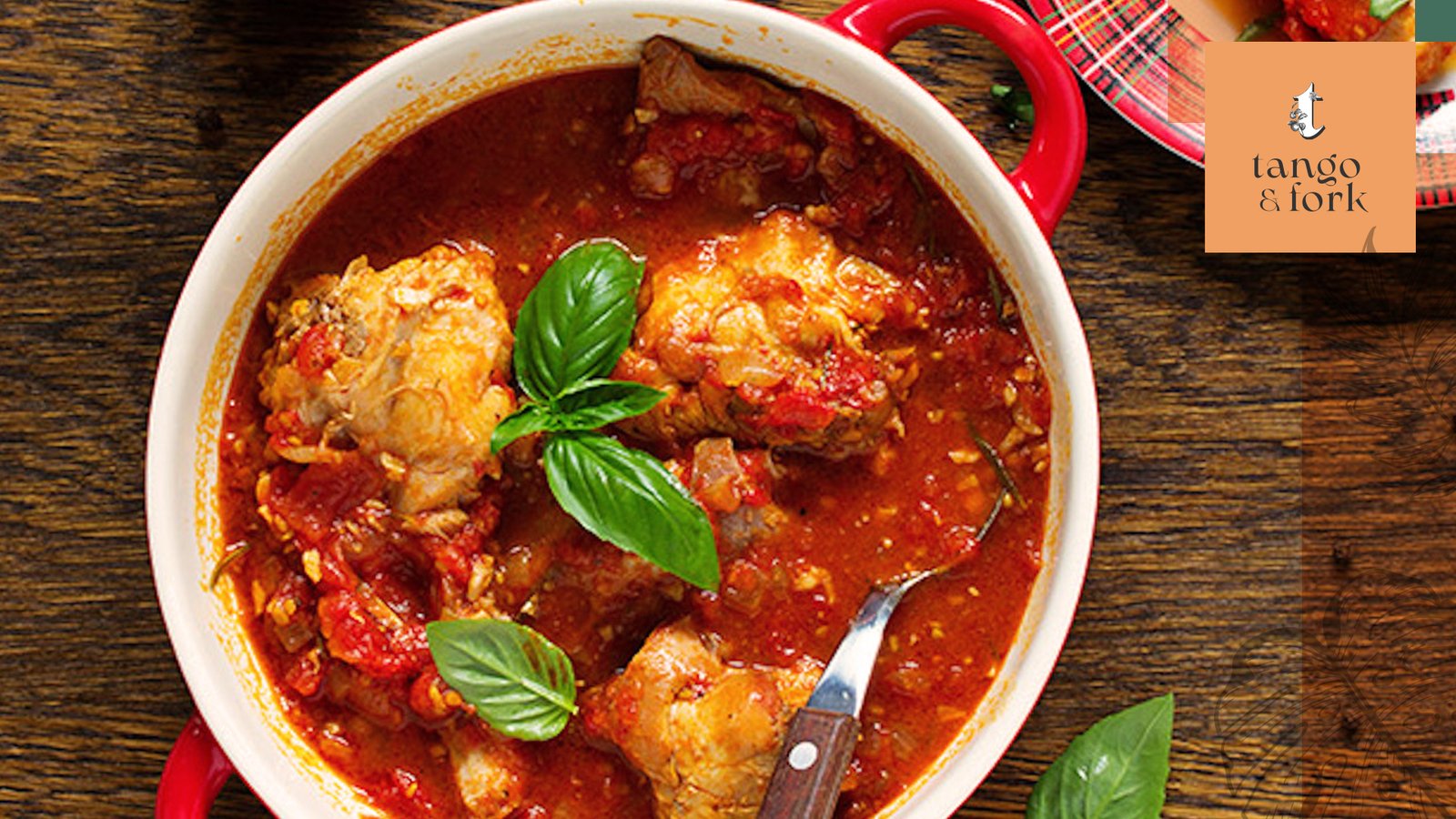
If one dish represents Malta, it is stuffat tal-fenek, the traditional rabbit stew. It is more than comfort food because it carries the memory of a time when locals secretly cooked it despite hunting bans set by the Knights of St. John.
What began as quiet defiance became a proud Sunday ritual. Cooked slowly in red wine, garlic, and herbs, the stew fills the air with a scent that feels like home to anyone raised on the island.
It is a perfect example of how Maltese food keeps history alive through recipes shared from one generation to the next.
3. Food That Follows the Calendar
In Malta, food changes with the seasons and with faith. Each part of the year brings its own traditions.
During Lent, families prepare vegetable pies and soups, while Easter is known for figolli, almond-filled pastries shaped as hearts and animals, covered in colorful icing.
Summer village feasts, known as festas, turn towns into open-air dining rooms filled with grilled meats, sweets, and homemade wine.
These moments remind everyone that Maltese food is not about eating fast but about celebrating time, tradition, and togetherness.
4. Street Food With Soul
Ask anyone who has lived in Malta, and they will mention pastizzi.
These flaky pastries filled with ricotta or peas are part of daily life, enjoyed with coffee in the morning or as a snack after work.
Alongside them are ftira, a crusty, round bread often stuffed with tuna, olives, and tomatoes, and imqaret, sweet date pastries usually sold warm from street stalls.
They are simple but full of heart, showing the honest and welcoming spirit of Maltese food.
You can find them everywhere, from busy Valletta streets to quiet coastal towns, always eaten with joy and shared with a smile.
5. Meals Made for Family
In Malta, meals are about connection.
They bring people together, slow down the day, and remind everyone of what truly matters.
Lunch often stretches into the afternoon, especially on Sundays, when tables are filled with several generations, shared dishes, and long conversations.
Hospitality comes naturally, and there is always an extra seat for someone who drops by.
Dining here is not just about what is served but about the feeling of being welcome, where every meal becomes a small celebration of life.
FAQ
What is Malta’s national dish?
Malta’s national dish is stuffat tal-fenek, a slow-cooked rabbit stew made with red wine, garlic, and herbs. It is loved for its rich flavor and strong cultural history that connects families across generations.
What are some traditional Maltese street foods?
The most popular are pastizzi (flaky pastries with ricotta or pea filling), ftira (round crusty bread with tuna and olives), and imqaret (sweet date pastries). They are sold everywhere, from cafés to small street stalls.
When do Maltese people usually eat their biggest meal?
Lunch is often the largest meal of the day, especially on Sundays when families gather for long, relaxed meals that can last for hours.
What foods are eaten during Maltese festivals?
During festas, people enjoy grilled meats, fresh bread, homemade wine, and plenty of traditional sweets. Each village adds its own twist, but the focus is always on sharing and celebration.
Is Maltese cuisine similar to Italian food?
It shares similarities, especially with Sicilian cooking, but has its own character shaped by centuries of Mediterranean influence.
Maltese dishes are usually heartier, simpler, and deeply rooted in local ingredients and tradition.